Story behind Brazzein
It all starts with an unusual fruit
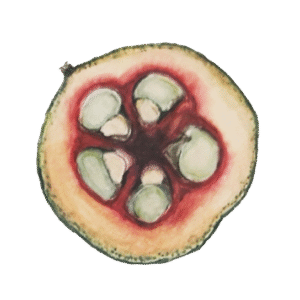
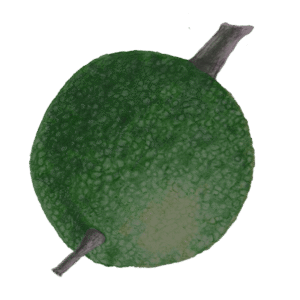
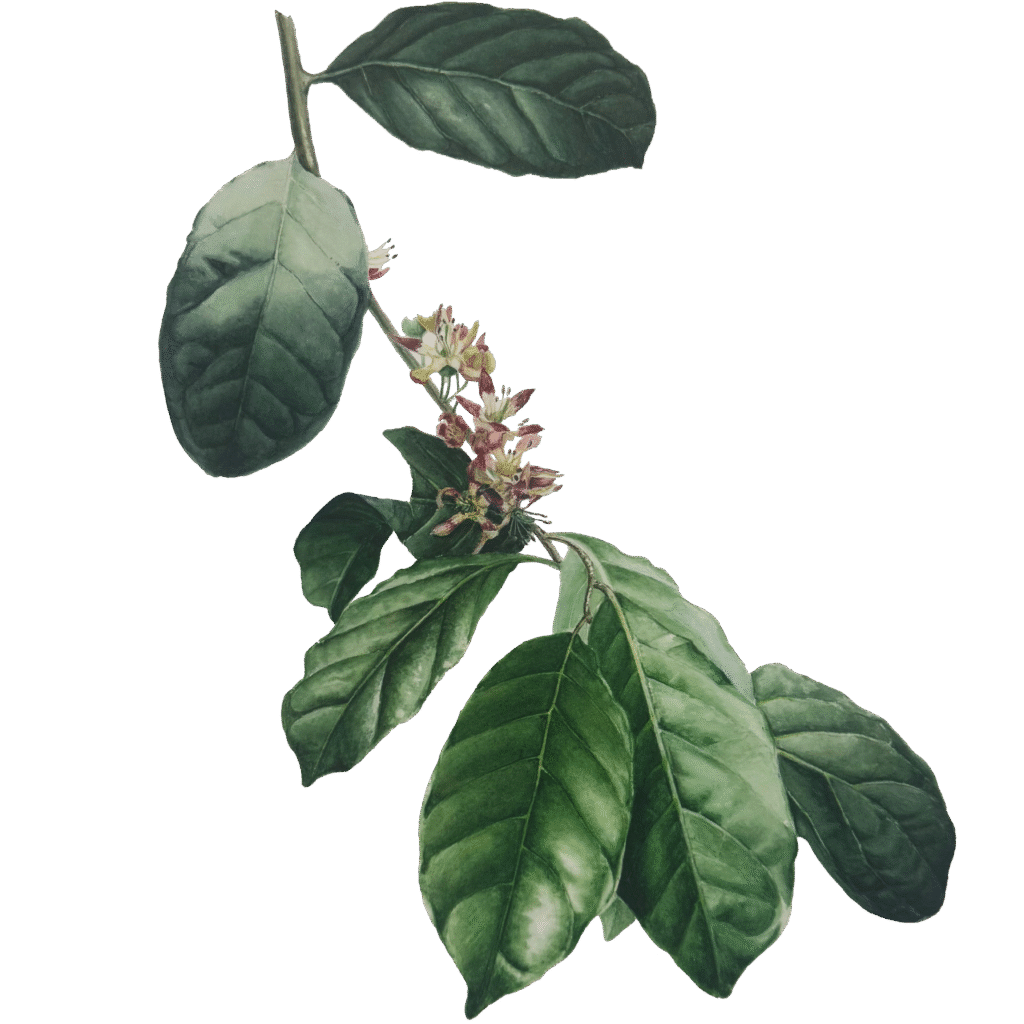
In the tropical forests of West-Central Africa grows Pentadiplandra brazzeana — a liana that can climb high into the forest canopy. First described in 1886 by French botanist Henri Ernest Baillon, it produces small red berries with an extraordinary property: intense sweetness.
Local communities have long known the fruit as oublié — “forgotten.” According to legend, it is so sweet that children would forget everything else after tasting it.
Interestingly, this sweetness is not universal. While humans perceive the fruit as intensely sweet, many other primates do not. From an evolutionary perspective, the berries offer little caloric value — making them far less attractive despite their taste.
What is negligible for gorillas, however, is highly valuable for humans.
Why it matters today
Humans have always sought sweetness. But modern diets, with high levels of added sugar, have created new challenges for the food industry and for public health.
As a result, manufacturers have turned to high-intensity sweeteners — ingredients that deliver sweetness at very low doses. These solutions enable sugar reduction but often come with trade-offs in taste, formulation complexity, consumer perception or cost.
Natural-origin alternatives have also emerged, yet many still struggle with off-notes or limitations in application.
This leaves a clear gap for better performing sugar reduction solutions.
The protein delivering the sweetness
Brazzein is the protein responsible for the sweetness of the oublié fruit.
At Pentasweet, we produce Brazzein using precision fermentation – a well-established technology also used in food and biopharmaceutical production. It builds on the same fundamental principles as traditional fermentation, long used in products like beer and yogurt, but applies modern biotechnology knowledge to produce specific protein with high precision.
We program food-grade yeast, to produce the protein efficiently, allowing us to:
- avoid dependence on rare plant sources
- ensure consistent quality and supply
- eliminate agricultural variability
The result is a highly potent sweet protein, produced in a controlled and scalable way.